

Ogulin, 2022.
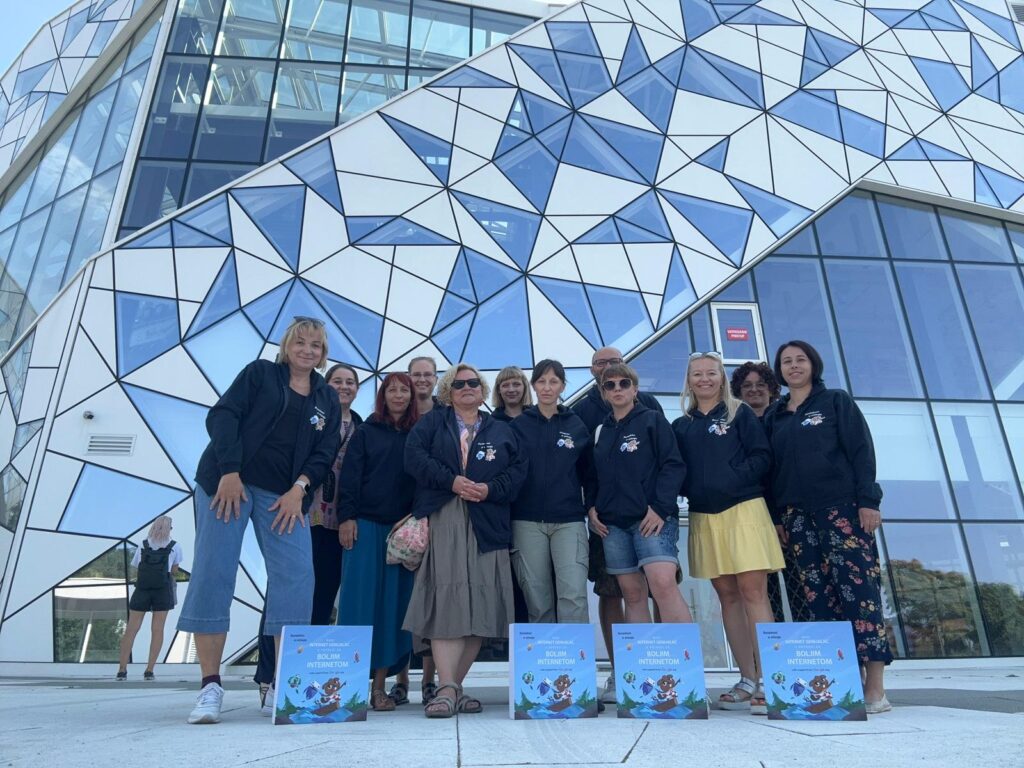
Sljeme, 2023.
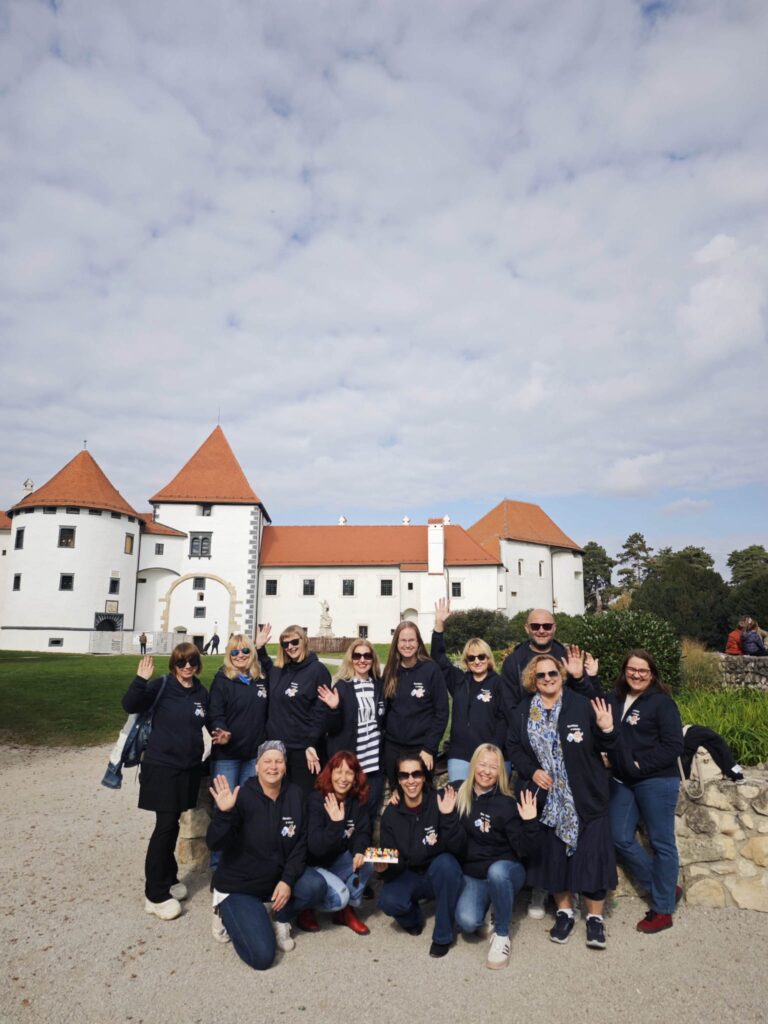
Varaždin, 2025.
Papuk, 2021.
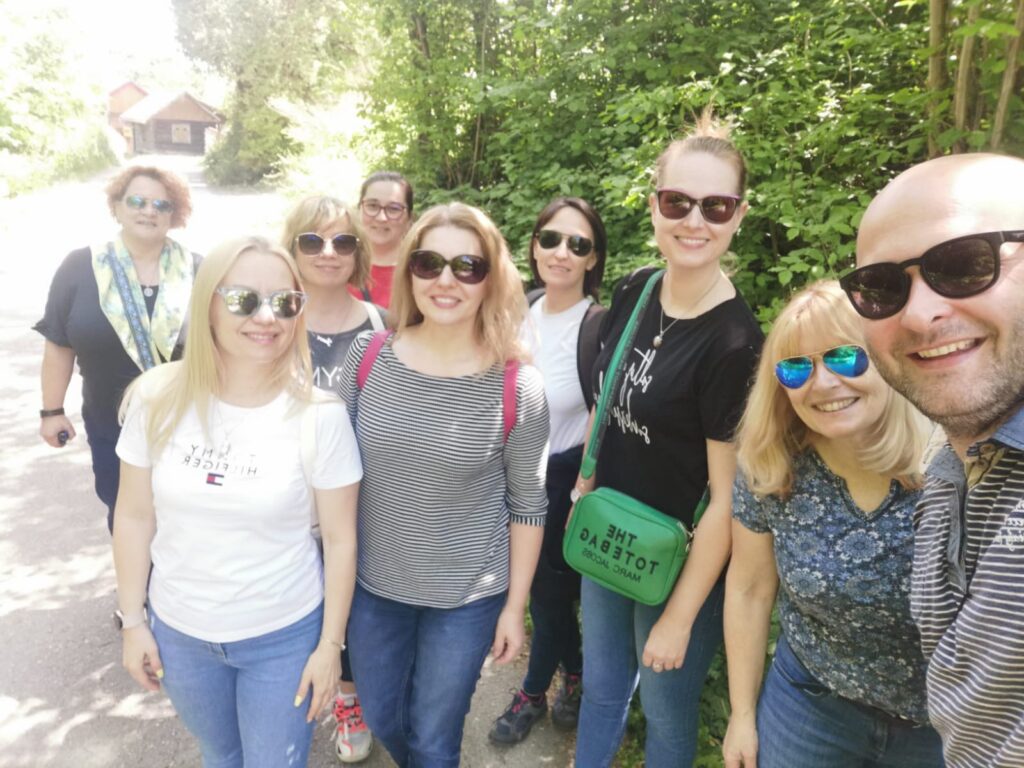
Marija Bistrica, 2024.
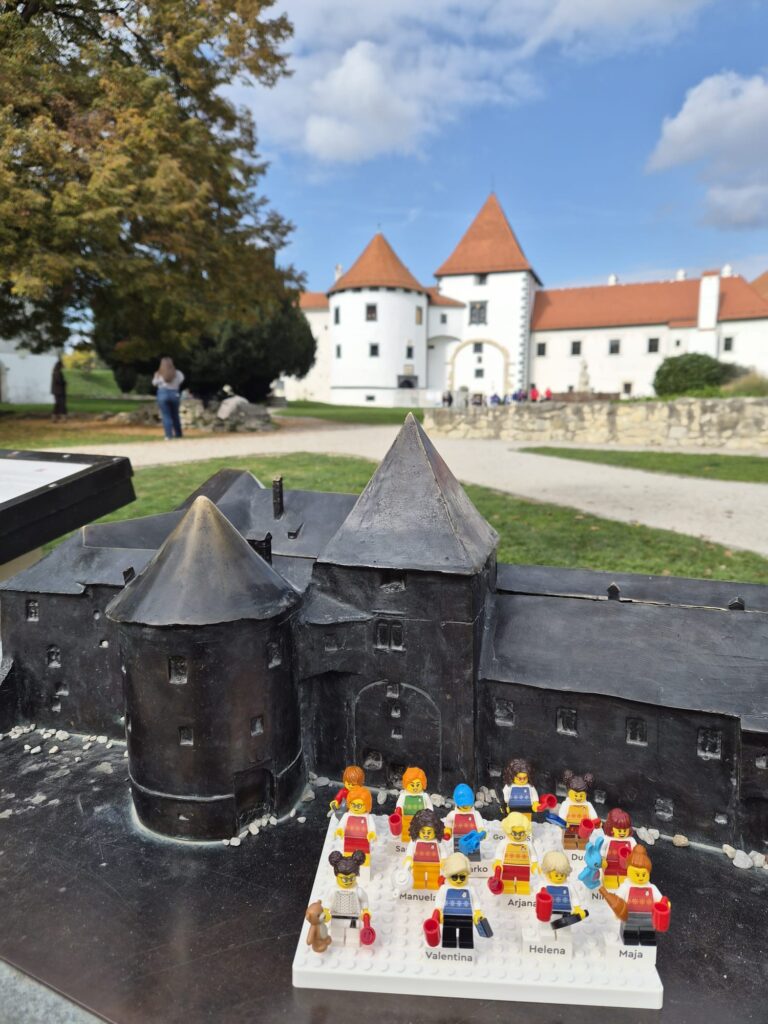
Varaždin, 2025.
Our projects
Budi internet genijalac (Be Internet Awesome)

Through the Be Internet Awesome programme, we aim to empower children, parents, and teachers to think critically when exploring the internet, protect their privacy, behave politely and kindly online, share digital content thoughtfully and responsibly, and support their peers.
To make the most of the internet, children need to be prepared to make smart decisions. Be Internet Awesome teaches children the fundamentals of digital citizenship and online safety, enabling them to explore the online world with confidence. The educational resources were developed by Google and the Partners in Learning Association (Suradnici u učenju), which coordinates the implementation of the Be Internet Awesome programme in Croatia. Be Internet Awesome implementation in Croatia is part of the international project BIA 4 All, coordinated by Skola z Klasa (Poland).
During the six years of the programme’s implementation in Croatia (2021–2026), we reached:
- 365,549 pupils (approximately 50% from disadvantaged backgrounds)
- 23,422 teachers
- 1,150 schools
- 100% of participating teachers prepared to deliver online safety activities
- 4,285,849 followers reached through our social media activities, websites, and the Pogled portal
Some of the activities we have carried out include:
- The Internet Geniuses theatre performance acompanied with teaching scenarious
- Creaating social board game “Be Internet Awesome – In Search of a Better Internet”
- A multimedia comic strip exhibition
- Translated and localised curriculums for all levels of primary and secondary education
- Workshops for pupils and parents
- Online courses and workshops for teachers
- Establishing an online support community where we provided guidance, shared resources, and delivered a series of webinars
- Publishing educational materials to promote the appropriate and responsible use of digital technologies
- Organising the annual conference “In Search of a Better Internet”, held to mark Safer Internet Day
- Creating and supporting network of 250 teacher ambassadors
Experience AI
Experience AI is an educational programme that provides the latest learning resources on artificial intelligence (AI) and machine learning for teachers and pupils aged 11 to 14. Developed through a collaboration between the Raspberry Pi Foundation and Google DeepMind, the programme supports teachers in the exciting and rapidly evolving field of AI while inspiring young people to engage with the subject.
At the end of 2025, the Partners in Learning Association (Suradnici u učenju) became a partner of the Raspberry Pi Foundation with the aim of implementing the Experience AI programme in Croatian schools.
Our goal is to help pupils become critical users and responsible creators of artificial intelligence systems.
The programme provides teachers with free educational resources and professional development opportunities, equipping them with everything they need to deliver lessons on artificial intelligence and machine learning with confidence. These resources include lesson plans, presentations, worksheets, and videos.
All Experience AI materials have been developed using research-informed pedagogical approaches and evidence-based educational practices.
Pupils will have the opportunity to explore a variety of real-world applications of artificial intelligence and gain awareness of the growing range of AI-related careers. In addition to considering the social and ethical implications of AI development, pupils will investigate machine learning models and the mechanisms that underpin them.
The educational resources have been designed to be used by teachers across a wide range of subjects, even if they have no prior knowledge or experience of artificial intelligence. Read more
Digital First
Educating students in informatics at school is essential to equip every citizen with the necessary knowledge to participate, influence, and contribute to the development of the digital world. By learning informatics, students can safely and critically navigate the internet and contribute to an expanding infosphere that consists of more and more algorithms that may be biased or information that may be flawed or incomplete.
DIGITAL FIRST – Digital tech as the first language: Informatics for digital natives is a groundbreaking project aimed at shaping the future of informatics education in primary and secondary schools across Europe to match the needs of today’s children, the digital natives, born in a digital world and arriving at school education already with a certain level of digital skills.
DIGITAL FIRST calls for a move from a traditional approach in informatics education based on programming languages and technical knowledge to an innovative pedagogical approach focusing on computational thinking to help students learn how to address real-life challenges. This shift in education will encourage the young generation to be “active creators” of the digital world, rather than “passive consumers”. Read more.
EducationalAI
“Empowering Educational Leaders with AI Strategies” (EducationalAI) project is an Erasmus+ initiative designed to give educational leaders the knowledge, tools, and critical thinking needed to integrate artificial intelligence (AI) into educational institutions effectively. The project aims to foster a reflective and responsible approach to AI adoption, ensuring that its implementation is both meaningful and aligned with the ethical and legal standards of modern education systems.
In the context of EducationalAI project, “educational leaders” refers specifically to teachers and management personnel who play pivotal roles in shaping the direction of educational institutions. Teachers, as educators who lead the learning process in classrooms, facilitating student engagement and innovation are responsible for adapting AI tools and methodologies into their teaching practices to enhance student learning and improve educational outcomes. Management, including school principals, department heads, academic deans, and other administrators who oversee the strategic direction of educational institutions is the one making key decisions regarding curriculum design, resource allocation, and the adoption of new technologies like AI to improve institutional performance and student success.
Together, these educational leaders are essential stakeholders in driving purposeful change, fostering a reflective approach to AI, and ensuring that these emerging technologies are integrated effectively into the educational ecosystem and used to support meaningful educational improvements. Read more
Dabar (Bebras)
Dabar (Bebras) is an international initiative aimed at promoting computer science and computational thinking among pupils of all ages. Teachers work with pupils and can integrate Bebras challenges into their teaching activities.
Since 2016, the Republic of Croatia has been part of the international Bebras initiative, which promotes computer science and computational thinking among teachers, pupils, and the wider public. Bebras was designed to enable all children to participate easily through an online competition consisting of a series of challenging tasks developed by experts from around fifty countries. Since 2016, Croatian teachers have also contributed to the development of these tasks.
The Dabar @ucitelji.hr Challenge aligns closely with Croatia’s curriculum reform, which encourages the development of computational thinking from the first year of primary school through age-appropriate problem-solving and logical tasks, the creation of strategies for analysing and solving problems, and programming activities. In this way, pupils are gradually introduced to the world of digital technology.
The competition in Croatia is organised by the Partners in Learning Association (Suradnici u učenju), with the support of the Croatian Informatics Association, Algebra University College, and CARNET, under the auspices of the Ministry of Science and Education.
The first challenge in Croatia was held in November 2016 and attracted 5,624 participants. The following year, more than 430 schools expressed interest in taking part, and 15,247 pupils participated across all five categories. In 2019, participation reached 24,769 competitors, while 2020 saw 36,491 participants. Despite the challenging conditions created by the pandemic, 36,491 pupils took part in the competition in 2021. In 2022, a 42,553 pupils participated, in 2023 49,036 pupils, 2024 , a record 51,220 pupils and 2025 – 48,036 pupils.
The challenge is organised into five age-based categories and consists of 12 online interactive tasks to be completed within 40 minutes.
Dabar was the first practical example of the implementation of the new Computer Science curriculum in Croatia and has played an important role in promoting STEM competencies. It requires no formal prior training and is open to everyone, giving all pupils the opportunity to tackle logical and problem-solving tasks. Article – The first 10 years of Dabar in Croatia. Read more about Dabar

Wellbeing in digital education

Wellbeing in digital education Erasmus+ project KA220-VET-A5322CAB
Projekt Wellbeing in Digital Education (WIDE KA220-VET-A5322CAB) financira se iz Erasmus+ fonda s 269.854,00 €, traje 28 mjeseci, a započeo je 28. veljače 2022. Partneri iz sedam zemalja, Consorzio degli Istituti iz Italije, T-HAP LTD sa Cipra, udruga Suradnici u učenju iz Hrvatske, Academy of Entrepreneruship iz Grčke, Lycee Charles et Adrien Dupuy iz Francuske i University of Salamanca iz Španjolske predvođeni su koordinatorom FO-Aarhus iz Danske.
Pandemija koronavirusa izazvala je najveće promjene u obrazovnim sustavima u povijesti obrazovanja te utjecala na gotovo 1,6 milijardi učenika u više od 190 zemalja na svim kontinentima. Učenje na daljinu bilo je očigledno rješenje u situacijama uvođenja karantene, a škole i tvrtke učinile su najbolje što su mogle koristeći se interaktivnim rješenjima za održavanje socijalne distance tijekom učenja. Od obrazovnih sustava očekuje se da iskoriste naučene lekcije primjenjujući novitete nastale iz potrebe te u učenje i poučavanje integriraju nove pristupe, metode i prakse. U mnogim se zemljama sudionici procesa obrazovanja pokušavaju nositi s izazovima koje sa sobom donosi planiranje kurikuluma u skladu s učenjem u virtualnom okruženju tako da na drugačiji način organiziraju sustave u kojima se poučava. Čini se da se najviše brinu o tehničkim zahtjevima digitalnih sustava i alata za učenju, kako optimalno iskoristiti njihove prednosti da bi poučavanje bilo učinkovitije, kako ih integrirati u aktivnosti učenja (kombinirano učenje) te koje vještine i kompetencije trebaju imati učitelji i učenici kako bi na najbolji mogući način iskoristili te nove alate.
Uvođenje karantene radi pandemije koronavirusa pokazalo je da interakcija u digitalnom okruženju mijenja naše načine za organizaciju i izražavanje. Tijekom dugotrajne komunikacije u digitalnom okruženju nastaje preopterećenje koje može biti iscrpljujuće i psihički i fizički. Učenje u digitalnom okruženju ne podrazumijeva samo potrebu za savladavanjem tzv. digitalnog načina razmišljanja (digital mindset) i njegovim usvajanjem, nego i dobrostanje svih sudionika procesa učenja.
Cilj je projekta WIDE osmisliti novu metodologiju za online učenje i učenje na daljinu, metodologiju koja omogućava ostvarivanje mentalne i fizičke dobrobiti učenika i učitelja u procesu učenja na daljinu te integrira njihovu dobrobit u temeljne vrijednosti procesa učenja.
Partneri projekta razvijat će metodologiju na temelju istraživanja u europskim zemljama te iskustvima učitelja i stručnjaka. Izradit će se i prezentirati smjernice koje će biti javno dostupne na mrežnim stranicama te testirane u svim zemljama partnera projekta. Na temelju testiranja i evaluacije, izradit će se preporuke politika koje će biti predstavljene učiteljima i dionicima strukovnog obrazovanja te predstavnicima obrazovnih politika u Europi. Pročitajte više
Pogled kroz prozor

Digitalni časopis Pogled kroz prozor (ISSN 1848-2171) osmišljen je za razmjenu iskustava među učiteljima, nastavnicima, profesorima i svim obrazovnim stručnjacima. Objavljuje se jednom mjesečno, krajem mjeseca. Prvi broj objavljen je u listopadu 2008.
Svaki broj sadrži petnaestak članaka o metodama poučavanja i učenju, ideje za primjenu digitalne tehnologije, primjere iz školskih, nacionalnih i međunarodnih projekata kao i diseminaciju Erasmus+ projektnih aktivnosti te ostale treme relevantne za formalno, neformalno i informalno obrazovanje. Svake godine Pogled kroz prozor pročita više od 200 000 čitatelja, a do kolovoza 2023. objavljeno je 2462 članaka. Pročitajte više
Dabrica Darka – Growing up on a safer Internet

Projekt Dabrica Darka – Growing up on a safer Internet djeci, mladima i učiteljima pružio je mogućnosti da:
- koriste se digitalnom tehnologijom odgovorno, moralno i sigurno
- učinkovito komuniciraju i surađuju u digitalnom okruženju
- kritički procjenjuju, odabiru i primjereno koriste tehnologiju
- upravljaju informacijama u digitalnom okruženju
- kreativno se izražavaju uz pomoć kodiranja.
U projektu smo napravili 4 web igre za učenike od 1. do 8. razreda osnovne škole o sigurnosti na internetu.
Također pripremili smo i 4 priručnika za učiteljice, učitelje i roditelje učenika od 1. do 8. razreda osnovne škole kojim će se uvesti moderni pristupi usmjereni na učenike o tome kako uspješno koristiti obrazovne igre u školi i kako unaprijediti roditeljsko znanje o mogućnostima Interneta i načinima online zaštite djece.
Pripremili smo i priručnik Programiranje u Blocklyu namijenjen učiteljima učenika od 1. do 8. razreda osnovnih škola koji u svoje poučavanje žele uključiti aktivnosti za usvajanje kompetencija, prvenstveno iz domene računalnog razmišljanja i programiranja, ali i ostalih domena kurikuluma predmeta Informatika. Pročitajte više
ENABLE – Europska mreža protiv vršnjačkog nasilja

ENABLE – Europska mreža protiv vršnjačkog nasilja na nastavi i u slobodnom vremenu nastoji spriječiti vršnjačko nasilje na nastavi i u slobodnom vremenu učenika i doprinijeti dobrobiti djece u dobi od 11 do 14 godina usmjeravajući se na pružanje vršnjačke potpore te poticanje društvenog i emocionalnog razvoja. Cilj projekta ENABLE je spriječiti vršnjačko nasilje te pridonijeti dobrobiti djece putem cjelovitog pristupa, pomagati mladima da ostvare osnovna prava kod kuće, u školi, u razredu i u zajednici ( tj. u grupi vršnjaka). Projekt je usmjeren na razvoj društvene i emocionalne vještine učenja koje će im pomoći u jačanju otpornosti kako bi što bolje razumjeli i postali odgovorniji u mrežnoj i izvan mrežnoj društvenoj interakciji.
Obzirom na sve veće društvene i egzistencijalne izazove s kojima se mladi suočavaju u današnjem tehnološki razvijenom društvu, razvoj društvenih i emocionalnih kompetencija ima važnu ulogu u dobrobiti djece i tinejdžera. ENABLE, Europska mreža protiv nasilja na nastavi i u slobodnom vremenu, povezuje društveno i emocionalno učenje (Social emotional learning, SEL) i vršnjačku potporu u jedinstven pristup. Pročitajte više